
Currently Empty: ₹0.00


Master Data Science Step by Step: Complete Beginner Guide
0 Comments
Master Data Science Step by Step, isn’t just a buzzword anymore—it’s the backbone of how decisions get made today, and honestly, it can feel overwhelming at first. For anyone trying to learn data science for beginners, the sheer amount of tools, frameworks, and tutorials out there is enough to make your head spin. But if we take a step back, it’s really about spotting patterns in messy data and making sense of them. By 2026, companies, governments, and even small startups rely on data in ways most of us can barely imagine. We’ve felt the frustration of jumping from one confusing tutorial to another, and what helped was seeing the practical side: how data science solves real problems in real time, not just in theory. Understanding this early gives you perspective on why mastering it—carefully, step by step—is worth the effort.
Definition of Data Science for Beginners
For us beginners, “data science” can sound like wizardry, but it’s really just a set of methods to extract knowledge from data. Think of it as turning raw spreadsheets or messy databases into answers you can act on. We’ve been in that moment where you stare at Python outputs and wonder what it all even means—yes, that’s normal. At its core, data science combines stats, programming, and domain knowledge. When we break it down for newbies, it’s less about mastering everything at once and more about building small, reliable skills that connect. This approach keeps you grounded and avoids the trap of jumping into advanced machine learning before you even understand your first dataset.
Key Applications of Data Science in Real Life
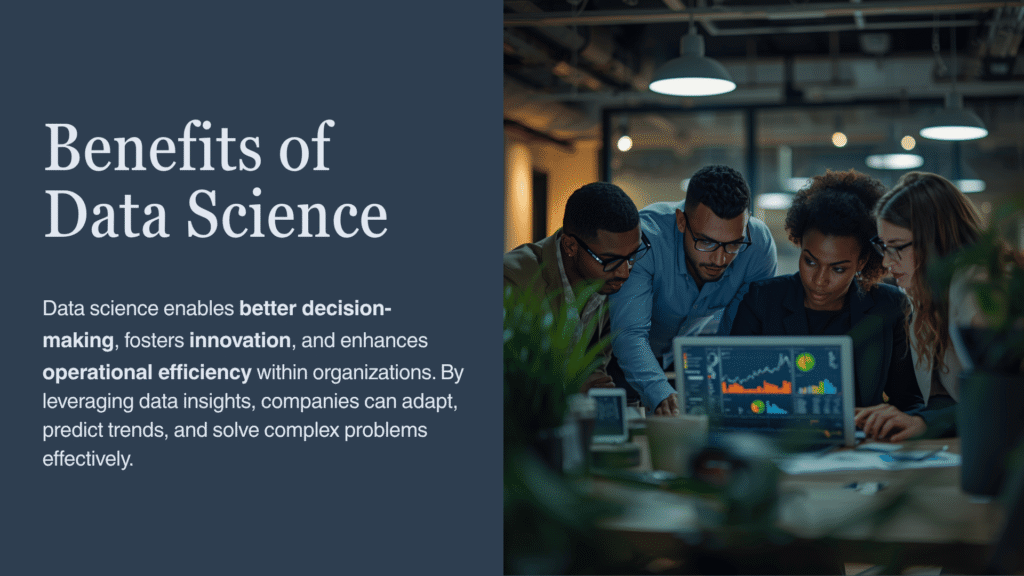
Seeing data science in action makes it click. We’ve personally found that learning is faster when you understand the messy, everyday applications—like how Netflix recommends shows, how banks detect fraud, or how cities optimize traffic. These aren’t abstract ideas; they’re exactly where beginners feel stuck because you don’t know which tool to learn first. The key is recognizing that each application uses the same building blocks: clean your data, analyze patterns, visualize results, and then apply models. When you start to notice these patterns in the wild, you realize Master Data Science Step by Step isn’t just theory—it’s a skill set that touches every industry.
Why Learn Data Science in 2026
Honestly, the urgency of learning data science now is real. By 2026, data-driven decisions will be even more central, and those who stall at beginner tutorials risk falling behind. We’ve felt the pressure when peers land roles using Python and machine learning while we’re still figuring out statistics. Learning data science now isn’t just about coding or tools—it’s about understanding a mindset for solving problems with evidence. It’s messy, yes, but the sooner you start, the faster you build confidence. That’s why a grounded, step-by-step approach matters more than chasing shortcuts or certifications alone.
Master Data Science Step by Step: Complete Roadmap for Beginners
Starting from zero, Master Data Science Step by Step is like climbing a hill—you can’t sprint to the top without pacing yourself. We’ve learned that following a structured data science roadmap keeps the frustration low and progress visible. This roadmap isn’t fancy; it’s practical, showing exactly what to tackle first, next, and last.
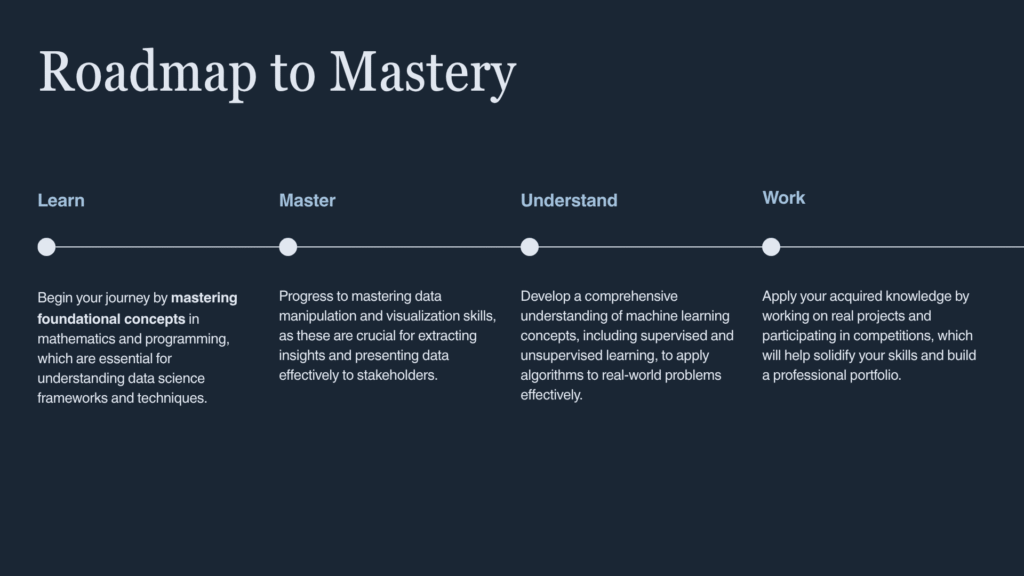
For beginners, it’s crucial to see the connections between statistics, coding, and data visualization before you even touch machine learning. We also make space for small wins, like completing a dataset analysis or plotting your first chart, Master Data Science Step by Step which keeps motivation alive. The goal isn’t perfection but clarity—you need to know what to learn, in what order, and how each skill builds toward being a competent data scientist.
Step 1 – Learn Data Science Basics and Statistics
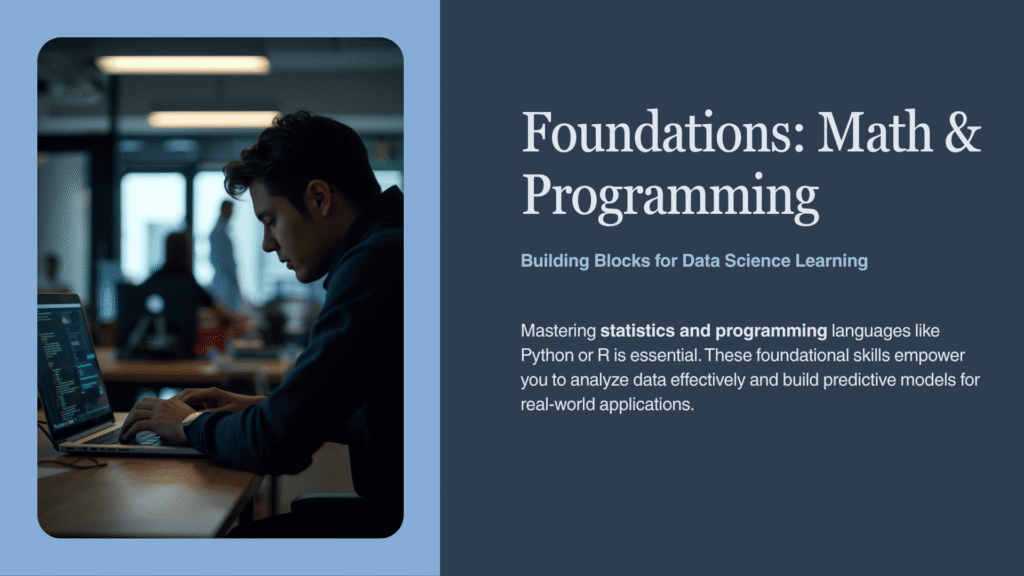
We can’t stress this enough: without statistics, everything else feels like guesswork. Starting with the basics helps you make sense of patterns instead of memorizing functions blindly. Statistics gives you the lens to interpret data—why a dataset behaves a certain way, why some models fail, and why your first attempts at visualization might mislead you. It’s normal to feel lost at first, but small exercises, like calculating mean, median, and variance on tiny datasets, quickly reveal patterns that make sense. This foundational step is the anchor for all later learning.
Important Math Concepts for Data Science
Even if math makes you nervous, the key is focusing on what actually matters: linear algebra, matrices, calculus, and basic descriptive statistics. We’ve stumbled a lot by overloading ourselves with irrelevant formulas. The trick is identifying concepts that directly show up in datasets or algorithms you’ll use.
Probability and Data Understanding
Probability often feels abstract, but when we tie it to real data, it clicks—like estimating the chance of a customer buying based on past behavior. Beginner exercises using dice rolls or coin flips aren’t just cute—they train your brain for reasoning about uncertainty in real data. It’s a small, critical bridge before you touch machine learning.
Step 2 – Learn Programming for Data Science
For beginners, the “where do I even start with Python?” panic is real. We suggest tackling Python programming step by step: variables first, then data structures, then functions. Don’t try to memorize everything. Coding is learned by doing, so small exercises matter more than long theoretical explanations. We’ve seen people give up because they tried to absorb everything at once. Following Master Data Science Step by Step, this phase is about gaining confidence to manipulate data and automate basic tasks—nothing fancy yet.
Why Python is Best for Beginners
Python feels forgiving, readable, and widely supported. We’ve tried R and other languages, and honestly, Python’s ecosystem is easier to navigate as a beginner. Mistakes are easier to debug, and there are countless tutorials for every small problem you encounter.
Essential Libraries: Pandas, NumPy, Matplotlib
Learning libraries early saves you from reinventing the wheel. Pandas for data manipulation, NumPy for numerical operations, Matplotlib for data visualization—these three are the core toolbox.
Step 3 – Data Analysis and Visualization
Once you can handle Python and statistics, the fun begins—actually exploring data. Master Data Science Step by Step Beginner struggles are real: charts look messy, correlations feel meaningless, and it’s easy to get lost in Excel formulas. But gradually, you notice insights: patterns emerge, trends appear, and that’s what makes this step addictive.
Tools for Data Analysis (Excel, Python)
Excel is forgiving, immediate, and lets beginners test concepts quickly. Python complements it for larger datasets or automated analysis.
Creating Charts and Insights
The goal is telling a story with data. Bar charts, histograms, scatter plots—each visualization should answer a question.
Step 4 – Learn Machine Learning Fundamentals
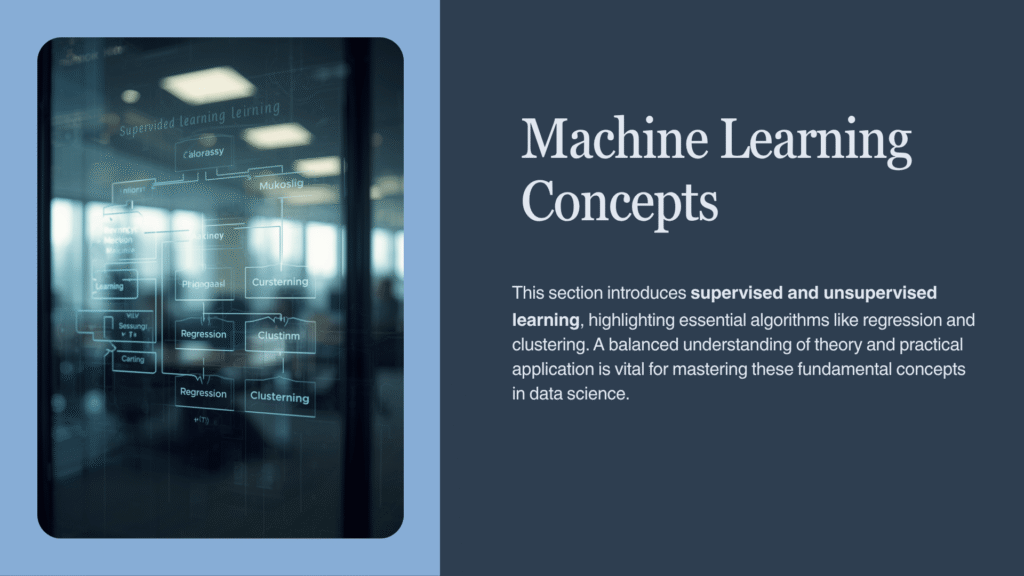
Machine learning can feel intimidating, but the key is treating it as applied statistics. Beginners often skip the foundations and crash into code, which leads to frustration.
Types of Machine Learning Algorithms
Supervised learning, unsupervised learning, and reinforcement learning—these categories sound fancy, but we simplify them with real examples.
Beginner-Friendly ML Models
Start small: linear regression, decision trees, and k-nearest neighbors.
Step 5 – Work on Real-World Projects
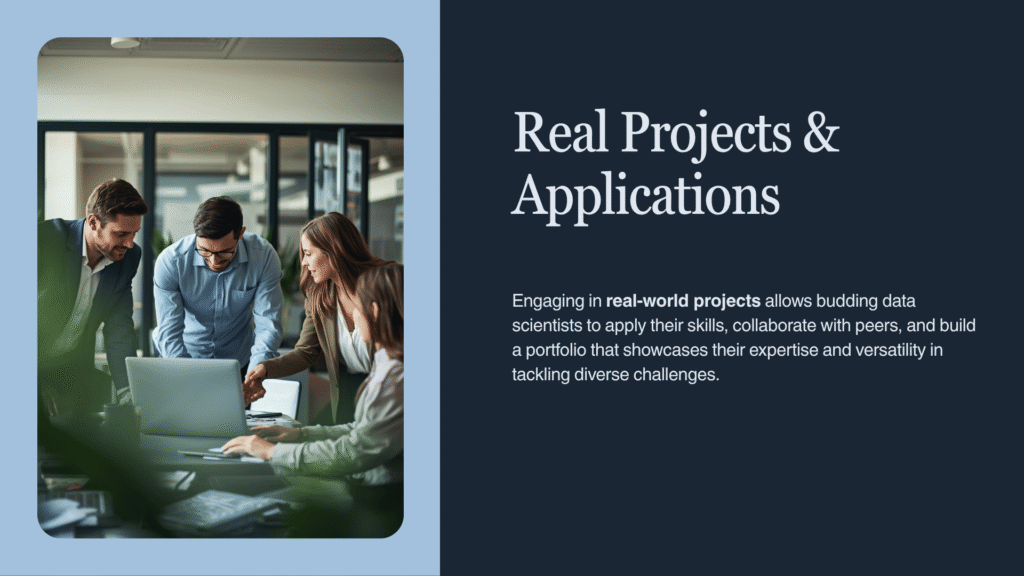
Nothing beats actual projects for learning. Beginners often copy tutorials and feel stuck when faced with new datasets. We recommend starting tiny: analyze public datasets, clean them, visualize patterns, and try a simple model.
Best Project Ideas for Beginners
Customer segmentation, stock price analysis, movie recommendation systems—these are practical, doable, and relatable.
How to Showcase Your Projects
Document every step using Jupyter notebooks, clear plots, and short write-ups.
Step 6 – Build a Portfolio and Online Presence
A strong data science portfolio isn’t about quantity; it’s about clarity and consistency. GitHub is a beginner-friendly platform for showing code, but a small personal website makes your projects readable and professional.
Using GitHub for Data Science
Commit often, include README files, and show progression.
Creating a Personal Portfolio Website
Showcase projects, explain your approach, and link to GitHub.
How to Become a Data Scientist: Skills, Tools, and Career Tips
Becoming a data scientist is more than completing tutorials—it’s combining skills, tools, and judgment. Master Data Science Step by Step Beginners often get overwhelmed chasing every certification or language. Master Data Science Step by Step We focus on what actually moves you forward: Python proficiency, stats intuition, machine learning basics, and visualization skills. Pair this with real projects and thoughtful documentation, and you’re ahead of most. This approach aligns with the Data Science Roadmap 2026, giving you a clear, realistic path while avoiding burnout.
Essential Data Science Skills and Tools You Need
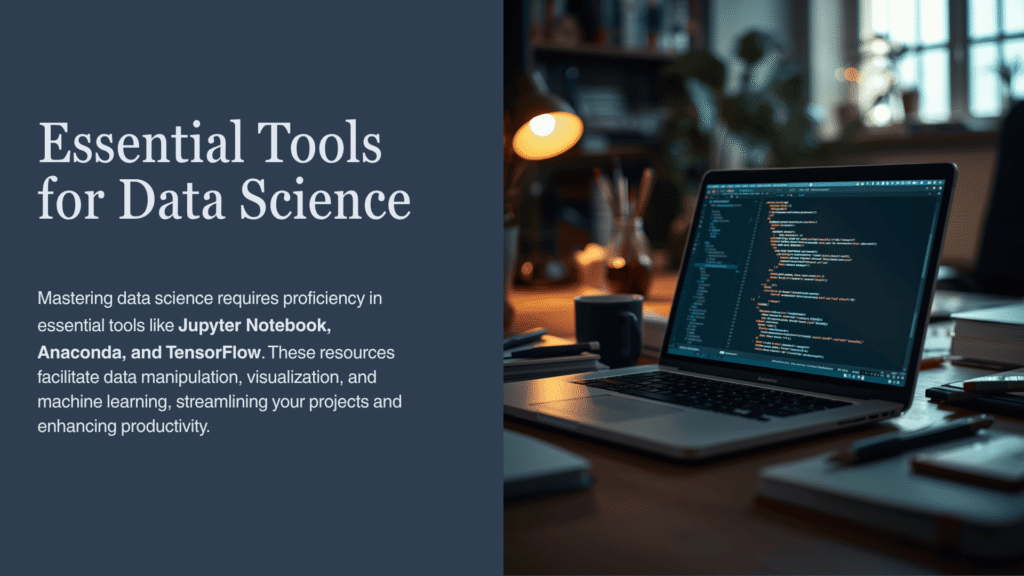
Programming, statistics, data cleaning, visualization, machine learning, and communication—these are the non-negotiables. We’ve found beginners often ignore soft skills, but explaining insights clearly is as important as coding. Tools like Python, Excel, SQL, and Tableau form the practical toolkit. We emphasize mastery of a few core tools instead of dabbling in dozens.
Data Science Roadmap 2026 for Career Growth
Following a roadmap helps prevent wasted effort. Start with basics, then programming, then analysis, machine learning, projects, and portfolio. We’ve tried shortcuts and paid for them with confusion and frustration. Master Data Science Step by Step The roadmap isn’t rigid; it adapts to your pace, but it keeps learning focused and prevents overwhelm.
Learn Data Science for Beginners: Common Mistakes to Avoid
We’ve seen beginners dive into ML without stats, copy projects blindly, or chase certifications before practical skills. Mistakes like these slow progress more than challenges in coding ever will. Our advice: learn deliberately, apply consistently, and reflect on each small win. That’s how you really build competence.
Certifications and Courses to Boost Your Career
Certifications aren’t magic, but they help structure learning and show commitment. Pick courses aligned with your roadmap, not just trending names. Completing them while building projects gives evidence of skill rather than just theory. We’ve personally balanced courses with small hands-on tasks to make learning tangible.